
Based in Port Orchard, WA
Concrete Contractor in Kitsap & Pierce Counties
Above & Beyond Con installs, repairs and replaces concrete for residential and commercial properties. From a new patio or driveway to foundations, garage slabs and retaining walls, our crew handles the ground preparation, forming, pouring and finishing.
BUILDING & REMODELING
SINCE
2011
Local Businesses
Insured Businesses
Experienced Crew
Residential & Commercial
Request a Free Estimation
Built for Your Property
Concrete Services We Do across Puget Sound
Concrete installation, repair and replacement for homes and businesses across Kitsap and Pierce Counties, including Port Orchard, Bremerton, Silverdale, Gig Harbor, Tacoma and Wollochet.

Driveways, Patios & Outdoor Concrete
- Concrete Driveways & Extensions
- Concrete Patios
- Walkways & Sidewalks
- Entry Steps & Landings
- Concrete Porches

Foundations, Floors & Retaining Walls
- Foundations for Homes & Additions
- Concrete Footings
- Garage & Shop Floors
- Basement Slabs
- Shed & Equipment Pads
- Concrete Retaining Walls

Decorative Concrete & Finishes
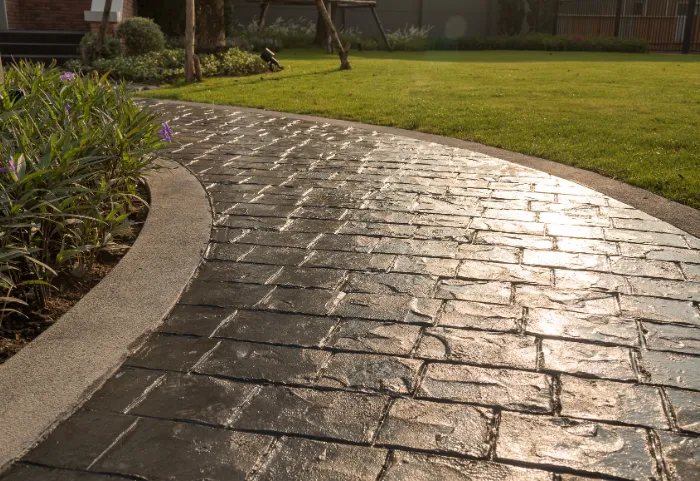
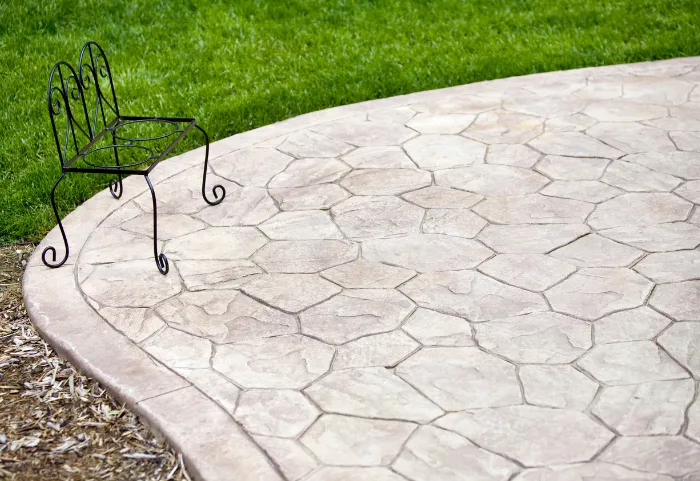
- Stamped Concrete
- Exposed Aggregate
- Colored Concrete
- Broom Finish
- Smooth Trowel Finish

Concrete Repair & Replacement
- Concrete Crack Repairs
- Surface Repairs & Resurfacing
- Driveway & Patio Replacement
- Walkway & Step Replacement
- Concrete Removal & Haul-Away
What Makes Concrete Last
Quality Concrete Work in Kitsap & Pierce Counties
A driveway needs to carry vehicles, while a patio needs to drain well and feel comfortable underfoot. Above & Beyond Con handles the excavation, base preparation and concrete work together, planning each pour around the ground, the intended use and Puget Sound weather.
How We Build Concrete That Lasts
A Properly Prepared Base
Roots, topsoil and soft spots settle over time and leave concrete cracked or uneven. We dig them out and pack down firm base material before any concrete goes in.
Drainage Planned Before the Pour
With our rainy winters, water has to run away from the house and off the slab. We set the slope and the heights before the forms go up, especially along the house and where new concrete meets old.
Thickness & Reinforcement for the Job
A driveway that holds a truck or an RV needs more than a garden path does. We choose the thickness and the steel reinforcement to match the weight and the ground underneath.
The Right Mix & Finish
A garage floor can be smooth and a walkway needs grip. We pick the concrete mix and the finish for how the surface will be used and how much weather it will see.
Joint Placement & Curing
Concrete shrinks as it dries, so we place joints where we want any cracks to form. Then we keep the surface damp and protected while it cures, so it reaches full strength.
Above & Beyond Con handles excavation and base preparation through pouring and finishing, giving you one contractor for the groundwork and the concrete installation. Our crew plans each job around how the space will be used, with concrete mixes suited to the project and careful attention to drainage, reinforcement and curing.
Frequently Asked Questions About Concret
Repair can be worthwhile when the slab is stable and the damage is limited to surface wear, small chips or cracks that are no longer moving. The repair method depends on whether you want to protect the surface, restore its appearance or address a structural problem.
Replacement becomes more practical when sections have settled, tree roots have lifted the slab, or extensive cracking and crumbling make repairs difficult. Check the cause first. If water is washing out the base, that drainage problem needs attention before new concrete goes in. Cracks that continue to move can also show through a resurfacing layer. See American Concrete Institute repair guidance
Four inches is a common starting point for a residential driveway carrying passenger cars, provided the ground and base are properly prepared. Industry guidance recommends increasing thickness when delivery vehicles will use the driveway. An RV, loaded trailer or frequent truck traffic needs its own assessment based on weight, axle loads and ground conditions. See Concrete driveway design guidance
Tell the contractor about the heaviest vehicles you expect, including occasional moving trucks. Also mention RV leveling jacks or trailer supports, which concentrate weight in small areas. Thickness, reinforcement, edge support and base preparation should be planned together. The driveway approach at the street may have separate local specifications.
A broom finish is a practical starting point for exterior concrete because its texture provides traction. On a steep driveway, the slope and direction of the broom texture deserve particular attention. See NRMCA concrete finishing guidance
Exposed aggregate and textured stamped concrete are other options. Look at a sample with the intended sealer applied, since the finished texture and coating both affect how the surface feels when wet. For a shaded Puget Sound patio, plan for drainage and regular removal of algae and leaf buildup. Texture helps, but a surface that stays damp still needs maintenance.
Yes, when there is a suitable weather window and a plan to protect the work. The crew needs a stable base without standing water, enough time to place and finish the concrete, and protection from rain that could damage the fresh surface. Finishing rainwater into the concrete can weaken the surface. See NRMCA finishing guidance
Cold weather adds another consideration. Concrete develops strength more slowly in low temperatures and may need insulating blankets or other protection. Heavy rain, saturated ground or freezing conditions can make postponing the pour the better choice. Light showers after the surface has hardened present a different situation from rain during finishing. See NRMCA cold-weather guidance
Concrete changes volume as it loses moisture and temperatures change. When the slab cannot move freely, those changes can create cracks. Rebar and wire reinforcement help control crack width when correctly designed and positioned, but concrete can still crack.
Control joints create planned locations for shrinkage cracks. Isolation joints allow a slab to move independently beside a foundation, column or adjoining surface. Base preparation, joint timing and curing all influence the result.
A fine crack in a level slab needs a different assessment from a widening crack, a raised edge or a section that rocks underfoot. Those changes can indicate movement beneath the concrete.
For planning purposes, light foot traffic may be possible after 24–48 hours, while a conventional driveway commonly needs at least seven days before passenger vehicles. The mix, temperature, curing conditions and any coating affect the timing, so use the return-to-service instructions provided for your project. See Concrete driveway care guidance
RVs, loaded trailers and delivery trucks may need a longer wait. Arrange parking before the pour and tell the crew if heavy vehicles will need access soon afterward. Cool Puget Sound weather can slow strength development, even when the surface already feels hard.
A ground-level project may be exempt from a building permit, but it can still need drainage, site development or driveway access approval. The amount of new hard surface, excavation and proximity to a shoreline or critical area can affect the requirements.
Kitsap County advises that creating or modifying a driveway may require a Site Development Activity Permit. Pierce County distinguishes building permit exemptions from site development requirements. Check with the appropriate county office if your property is unincorporated. See Kitsap County driveway guidance and Pierce County permit guidance
Inside city limits, contact the city. Work where a driveway crosses a public sidewalk or meets the road can require a right-of-way permit. Gig Harbor specifically includes installing, repairing or altering driveways and sidewalks in its right-of-way permit activities. See Gig Harbor Public Works permits
Height matters, but so does what the wall supports. Measure from the bottom of the footing to the top of the wall, including the buried portion.
- Unincorporated Kitsap County. A permit is required for walls over four feet, shoreline retaining walls and walls supporting an additional load, such as a road or building.
- Unincorporated Pierce County. County guidance requires permits and site-specific engineered plans for walls over four feet, and walls over two feet supporting an additional load.
That additional load is called a surcharge. A driveway or building uphill from the wall can therefore change the requirements. City rules and critical-area restrictions may also apply. See Kitsap County retaining wall requirements and Pierce County retaining wall bulletin
Yes, if the existing patio is sound and suitable for the chosen system. Depending on its condition, options may include a stain, a textured coating or a decorative overlay. The surface needs preparation so the new material can bond, and existing sealers may need removal.
Check drainage, door thresholds and the condition of the slab before choosing a finish. An overlay adds height, and moving cracks can reappear through it. If the patio has settled or water is undermining the base, address that movement first. A sample area can help you judge the final color and texture. See American Concrete Institute overlay guidance
Sealing can help protect outdoor concrete from water absorption and staining, and it is commonly part of maintaining decorative finishes. The right product depends on the surface and the appearance you want.
Penetrating sealers soak into the concrete and generally preserve a natural appearance. Some products provide five years or more of protection. Film-forming acrylic sealers enhance color and sheen but may need attention within one to three years, depending on traffic and exposure. Follow the product's maintenance instructions rather than applying another coat automatically. See Penetrating sealer maintenance and Acrylic sealer maintenance
Before resealing, identify the existing product and allow the cleaned surface to dry as specified. Applying an incompatible product or too much sealer can cause whitening, peeling or a slippery finish.
For driveways, patios, walkways and exterior steps exposed to rain and freezing temperatures, air-entrained concrete is generally a suitable choice. It contains tiny, intentionally formed air bubbles that give freezing water room to expand, helping reduce damage within the concrete. See American Concrete Institute freeze-thaw guidance
The mix should also match the exposure and intended use. Important considerations include:
- Water absorption. A controlled water-to-cementitious-material ratio helps limit how readily moisture enters the concrete.
- Strength. For concrete frequently exposed to water and freeze-thaw cycles, industry guidance specifies 4,500 psi minimum strength and a maximum 0.45 water-to-cementitious-material ratio. The project specifications determine the appropriate requirements.
- Deicing salts. Areas exposed to deicers may need additional durability provisions, particularly where vehicles carry salts onto the driveway.
A covered patio and an exposed driveway can therefore require different specifications. We select the mix with the concrete supplier to suit the project. Proper drainage, finishing and curing remain essential to its performance. See NRMCA concrete exposure guidance
Concrete Contractor Service Area
Kitsap County: Port Orchard · Bremerton · Silverdale
Pierce County: Gig Harbor · Tacoma · Wollochet
King County: Mercer Island
Serving all communities throughout Kitsap and Pierce County, with select projects in nearby counties as well.
Other Construction Services

Custom Build

ADU BUIlder

Home Addition

Painting